December 23, 2025
Forestry mulching services have become a highly effective solution for sustainable land management, combining efficiency with environmental stewardship. This process uses a single machine to cut, grind, and clear vegetation, transforming overgrown areas into manageable, usable land. In this article, we’ll explore the many benefits of forestry mulching, from streamlining land clearing and reducing costs to supporting soil health, conserving water, and enhancing the overall appearance of your property.
1. Streamline Land Clearing
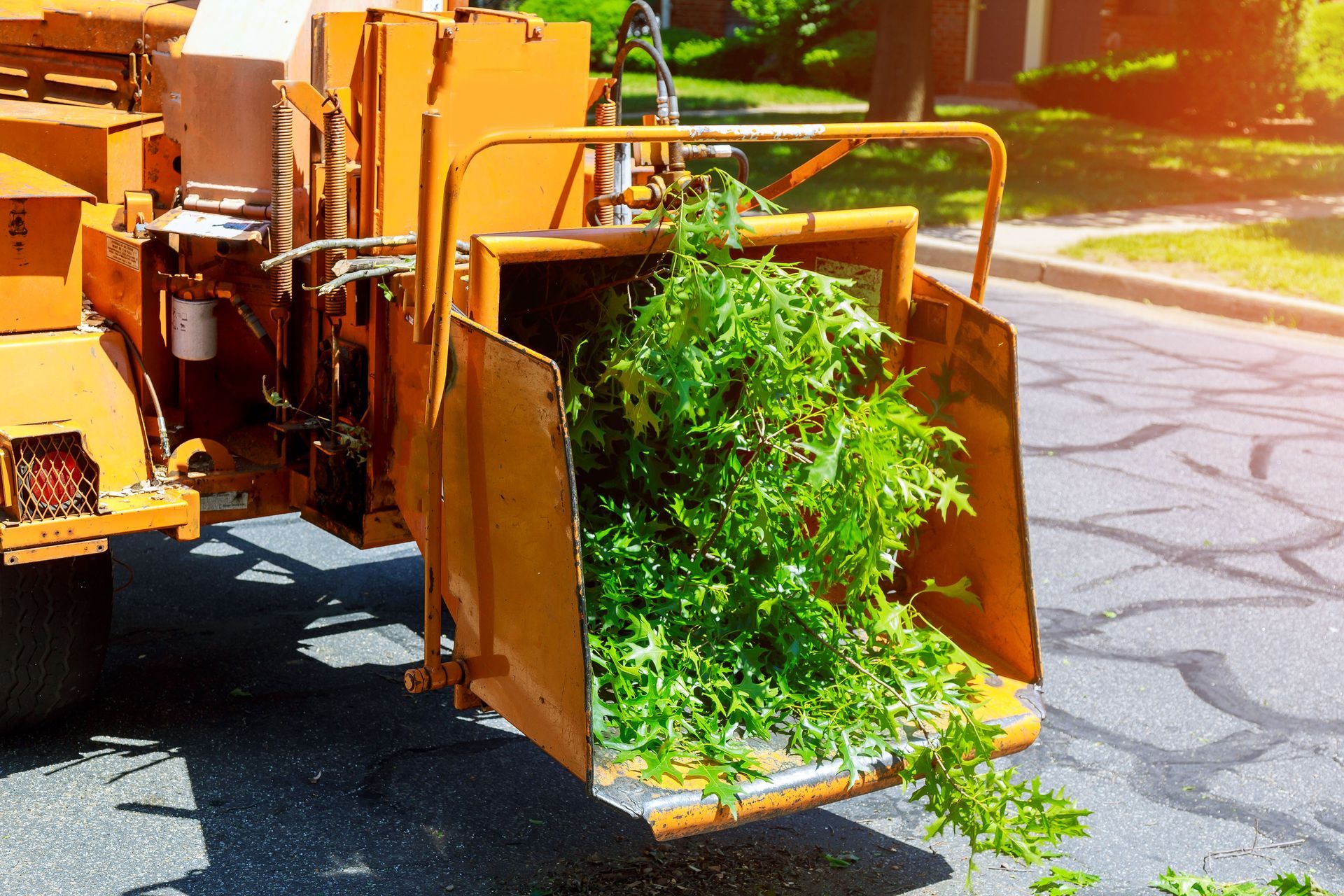
Forestry mulching services offer a time-saving approach to land clearing, utilizing advanced technology to quickly transform overgrown areas into usable land. By employing a single machine that can cut, grind, and clear vegetation in one swift operation, property owners and managers significantly reduce the amount of time required for land preparation. This process is particularly advantageous in environments where traditional land clearing methods are too slow or cumbersome. The versatility of forestry mulchers allows operators to maneuver through different types of terrain, further enhancing their efficiency. Such a streamlined approach directly translates to increased productivity and faster project completion times.
The cost-effectiveness of forestry mulching services is another compelling benefit. Traditional land clearing methods often require multiple pieces of equipment and a larger workforce, leading to higher operational expenses. In contrast, forestry mulching involves minimal machinery and labor, resulting in substantial cost savings. The equipment maintenance and fuel costs are also significantly lower due to the reduced number of machines in operation. By consolidating various tasks into a single process, forestry mulching minimizes resource expenditure without compromising the quality of land clearance. According to Archive Market Research, the forestry mulcher market is projected to reach a global market size of over $1.2 million by 2025, reflecting the increasing adoption of these efficient land management solutions worldwide.
Forestry mulching's reduced labor requirements make it an appealing choice for landowners and project managers. One operator can efficiently manage a mulching machine, negating the need for a large team of workers to perform various clearing tasks. This not only lowers labor costs but also minimizes safety risks associated with employing a sizable workforce in potentially hazardous environments. The simplicity and effectiveness of the process free up human resources for other essential tasks. Coupled with the minimal equipment requirements, forestry mulching simplifies logistics and project management.
2. Enhance Soil Health
Forestry mulching services play an essential role in environmental conservation by maintaining soil health and preventing degradation. As the machine grinds vegetation into mulch, it naturally returns essential nutrients to the soil, enabling a healthier growth environment for future plants. This recycling of organic material enriches the soil without the need for chemical fertilizers, promoting a more balanced ecosystem. In addition, the mulch layer protects the soil from erosion caused by wind and water runoff. This natural preservation not only supports the land's fertility but also helps sustain wildlife habitats and biodiversity.
Minimizing soil erosion is another vital environmental benefit of forestry mulching. Unlike traditional methods that disturb the soil structure through extensive movement, mulching leaves the ground mostly intact. The layer of mulch created after clearing acts as a protective barrier, safeguarding against erosion factors during heavy rains or drought conditions. Effective erosion control preserves topsoil, which is critical for healthy plant growth and habitat integrity. This sustainable practice ensures that the landscape remains resilient in the face of environmental challenges.
The water retention capabilities enhanced through forestry mulching services cannot be overstated, as they significantly impact land sustainability and the surrounding ecosystem. The mulch layer retains moisture, reducing the need for supplementary irrigation and promoting water conservation. This natural capacity for moisture retention offers crucial support during dry spells, enabling plants to thrive even in less-than-ideal conditions. Enhanced water management is especially beneficial in areas prone to drought or where water access is limited. By fostering a self-sustaining environment, forestry mulching further aligns with global conservation objectives.
3. Improve Aesthetic Appeal
Forestry mulching contributes to a property's aesthetic appeal by creating a clean and orderly appearance. Unlike conventional land clearing methods that may leave unsightly debris or uneven terrain, mulching leaves a uniform layer of mulch that enhances visual appeal. This clean presentation is particularly attractive for landowners seeking to improve the look of their properties for personal enjoyment or real estate purposes. The removal of underbrush and unwanted vegetation opens up views and creates a more inviting space. As a result, forestry mulching becomes an essential tool for landscape beautification and enhancement.
Enhancing property value is another key aspect where forestry mulching excels. By improving the appearance and usability of the land, property owners can significantly increase marketability and property valuation. A well-maintained, mulched landscape attracts potential buyers or renters due to its tidy presentation and usability. Forestry mulching can directly contribute to an increased return on investment, making it a sound financial decision for property enhancement. Moreover, the potential for lower maintenance costs further adds to the economic appeal of employing forestry mulching services.
4. Recycle Organic Material
Forestry mulching services align with sustainable practices by effectively recycling natural material back into the ecosystem. The process transforms vegetation into mulch, returning organic matter to the soil and improving its quality. This ecological recycling minimizes waste and reduces the dependency on external input like fertilizers, promoting a more self-sustainable approach to land management. The continual renewal of natural resources supports the long-term health of the environment, aligning perfectly with sustainability goals. Such practices contribute to the conservation of resources, ensuring that land remains productive for future generations.
Reducing the carbon footprint is a significant advantage offered by forestry mulching, as it often requires fewer resources than traditional land clearing methods. By utilizing a single, efficient machine to perform multiple tasks, forestry mulching significantly lowers fuel consumption. The process also prevents large piles of cleared vegetation that would otherwise decompose or be burned, releasing carbon dioxide into the atmosphere. As a result, mulching serves as an eco-friendly alternative by decreasing emissions associated with land management. Achieving such reductions in carbon footprint aligns with broader environmental goals of mitigating climate change.
5. Mitigate Fire Hazards
Reducing fire hazards is another powerful benefit of forestry mulching services, achieved by eliminating excessive vegetative fuel sources. Woodland areas often contain dead trees, underbrush, and other combustible materials that increase fire risk. Forestry mulching safely removes these potential hazards, significantly decreasing the severity and likelihood of wildfires. The resulting mulch layer further acts as a fire deterrent by maintaining soil moisture and reducing flammable surface materials. Proactively managing fire risk through this method supports the protection of both human infrastructure and natural habitats.
The creation of firebreaks through forestry mulching is a strategic approach to hindering the spread of wildfires. By removing vegetation along designated pathways, mulching establishes critical barriers that prevent fires from advancing and endangering nearby properties or ecosystems. Firebreaks serve as crucial tools for fire management, offering a means to control burns and protect valuable resources. Their role in wildfire prevention underscores the importance of systematic planning and preparation in vulnerable regions. Such tactical measures are instrumental in enhancing community and environmental resilience to fire threats.
Forestry mulching services offer a comprehensive approach to land management that benefits both property owners and the environment. Efficiently clearing land, returning organic material to the soil, reducing fire hazards, and supporting sustainable practices, it provides practical solutions while promoting ecological health. Beyond functionality, mulching enhances property aesthetics and value, making it an investment in both beauty and utility. Embracing forestry mulching allows landowners to maintain their property responsibly, protect natural resources, and contribute to a more sustainable future. Reach out to Stout's Land Services to learn more today.